Understanding CMS: Why WordPress Powers the Modern Web
Building this website introduced me to the practical applications of Content Management Systems. As someone more comfortable with Python code than web design, I quickly appreciated why WordPress has become the world’s most popular CMS—it abstracts away complexity while still offering powerful customization options.
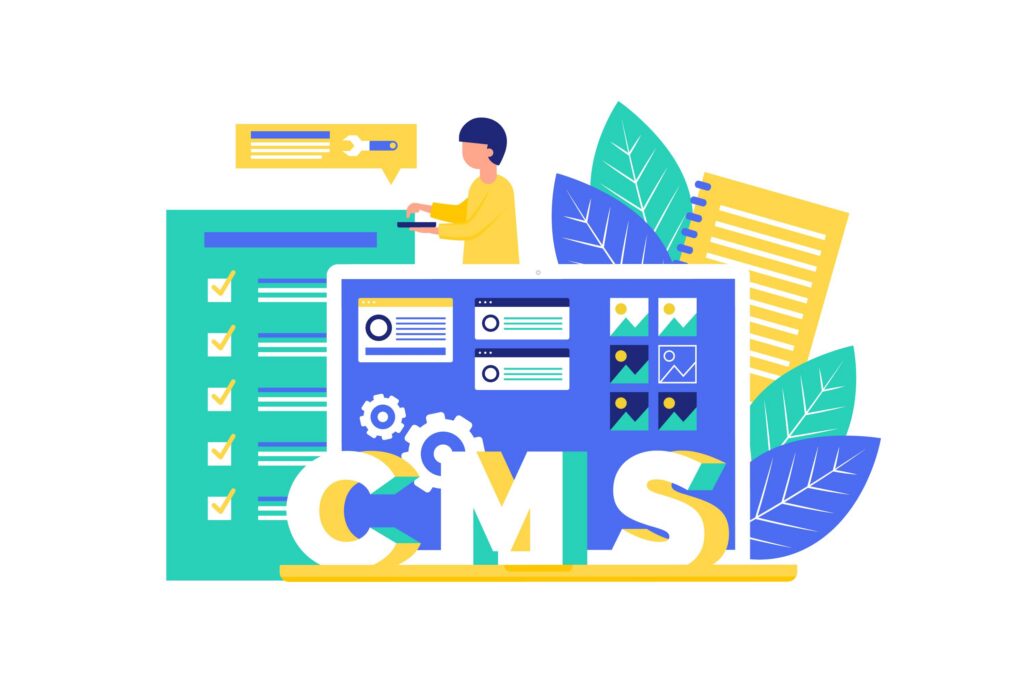
A Content Management System is software that allows users to create, manage, and modify digital content without needing specialized technical knowledge. WordPress exemplifies this by providing an intuitive interface where I can write posts, upload media, manage navigation, and control website appearance through a visual dashboard rather than editing HTML and CSS files directly. The platform includes core features like rich text editors, media libraries, user management with role-based permissions, revision history for tracking changes, and built-in SEO optimization tools. These features work together to make website administration accessible to non-developers while still giving technical users the flexibility to extend functionality through plugins and custom code.
What sets WordPress apart is its block-based Gutenberg editor, which treats content elements—text, images, videos, buttons—as individual “blocks” that can be arranged visually. This modular approach mirrors concepts I’ve learned in programming, where complex systems are built from reusable components. The ecosystem extends far beyond basic blogging: thousands of themes control visual design, while plugins add functionality ranging from e-commerce to advanced analytics. For this course project, WordPress enabled me to focus on content and learning objectives rather than wrestling with backend infrastructure. The platform handles database management, user authentication, responsive design, and security updates automatically. Performance optimization features like caching, CDN integration, and image compression ensure fast loading times even as content grows. Understanding CMS architecture has given me insight into how scalable web applications balance user-friendly interfaces with powerful backend capabilities—a principle applicable to many software development contexts beyond just website creation.
Reference:
WordPress.com. (2024, December 17). What Is a Content Management System and How to Choose the Right One. WordPress Tutorials. https://wordpress.com/go/tutorials/what-is-a-cms/
Web Automate. (2025, June 11). Top WordPress CMS Features Every Business Needs in 2025. Web Automate Blog. https://awebautomate.com/top-wordpress-cms-features-every-business-needs/
freepik. (n.d.). Web development concept illustrated [Vector illustration]. Freepik. https://www.freepik.com/free-vector/web-development-concept-illustrated_11817486.htm
Leave a Reply